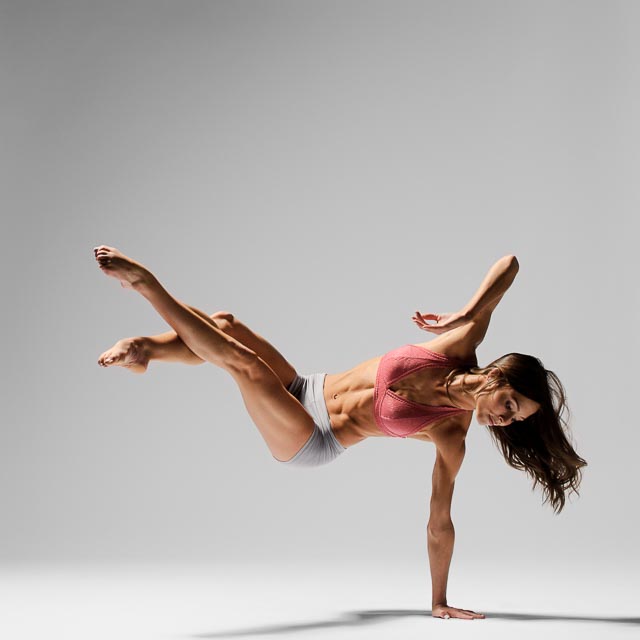
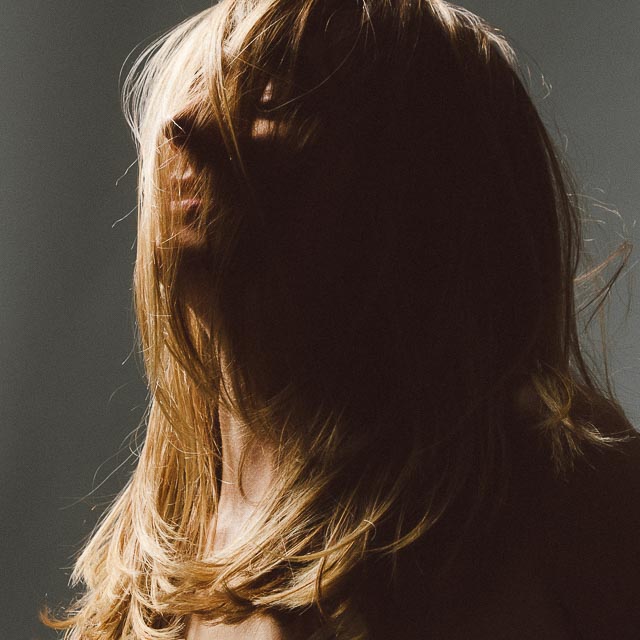
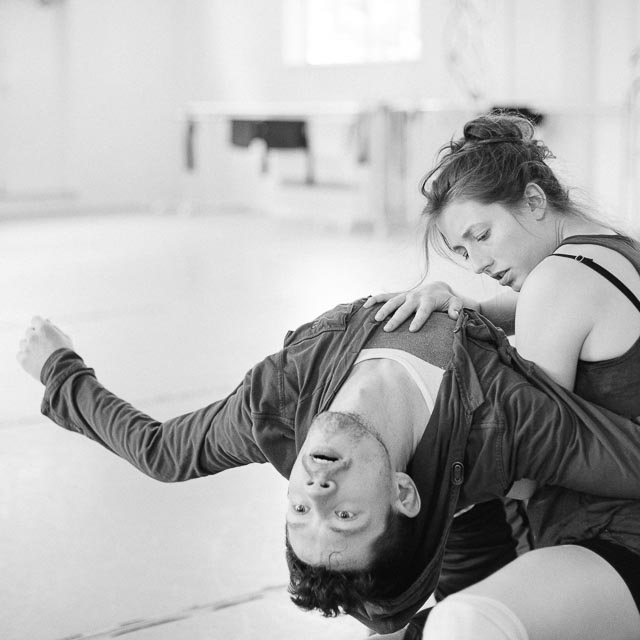
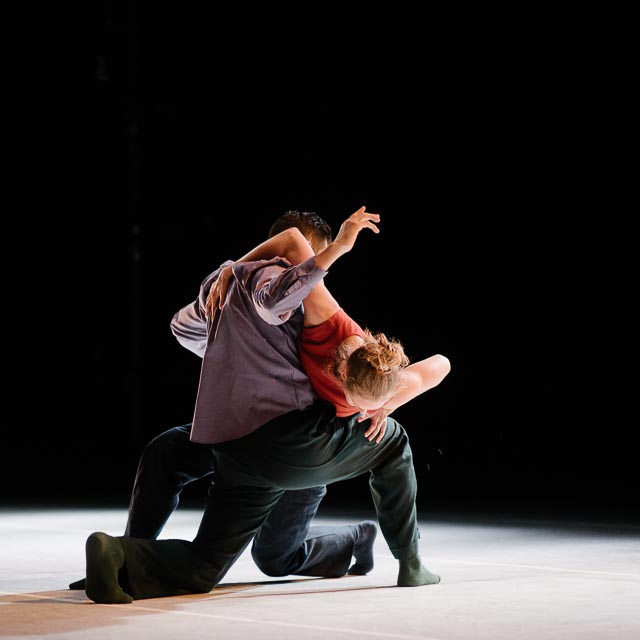
Part II: Dancers, an Instruction Manual. Hit the jump!
E: What kind of advice would you give to photographers new to dance but wanting to photograph dancers?
C: Don’t. You’ll become obsessed and never want for anything else in life.
E: I know the feeling… but still?
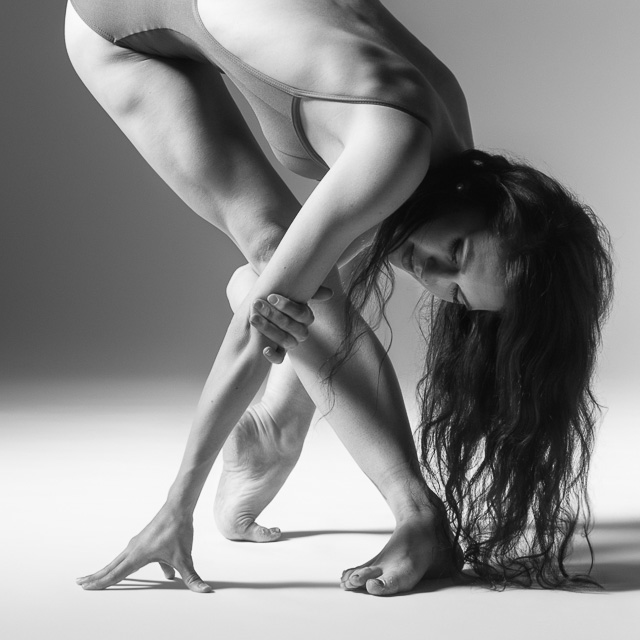
C: [shrugs] Okay, it’s a question of learning the vocabulary and aesthetic. One of the books I used to pore over as a younger dancer was Classical Ballet Technique by Gretchen W. Warren; the book is a bit dated but actually shows photographs instead of drawings of dancers performing the various steps that form the basis of classical technique. I wouldn’t say that knowing each classical step is a requirement but knowing the nine body positions (some lexicons suggest eight but I cry bollocks), is huge as these are highly codified positions that classical dancers train in most of their lives. Additionally, most modern dancers have an understanding of the same positions.
E: Why are those nine body positions so important?
C: Well… they’re just like a well-tailored suit or that little black dress, they never go out of style and more importantly… they just look good.
E: So what about the aesthetic of dance?
C: That’s something that comes through time and observation but having stared at myself in the mirror for years it’s a bit natural to me. So many times a non-dance photographer will be excited about an image that a dancer will not like or will be downright repulsed by and that can be a hard thing as it’s so nuanced.
If you’re shooting digital with dancers (and you probably should be), take time to proof on-site with your dancer so you can work to understand the aesthetic. Make sure they know you need to have the aesthetic explained to you so you’re not grasping at straws. There’s an amazing amount of attention paid to the details of dance that it can be a bit overwhelming to the untrained eye.

E: Do you have any other helpful advice?
C: If you’re serious about shooting dance and do not come from a dance background, get yourself to a show! In addition to supporting the dance community, supporting the dancers and picking up the aesthetic you’ll have something to talk about with another dancer. This can help develop a positive rapport between subject and photographer which is just as important as the actual photo.
I’d suggest seeing every show you can possibly see, learning what speaks to you as an artist and as a person and apply it behind the camera. If you can’t make it to a live show, buy multiple dance DVD’s and learn everything you can. Similar to how some sports photographers develop their timing, you can watch SYTYCD with a camera in hand to develop your timing.
E: Any DVD’s in particular you would suggest?
C: Nederlands Dans Theater Celebrates Jiří Kylián is a brilliant place to start if you’re into more contemporary work else the pantheon of classical ballet works just as well.
E: How would you first approach someone you don’t know and ask them to work with you?
C: I ask and I give them my card. This gives them the opportunity to look at my work and make that judgment for themselves without further pressure from me. I’ve heard tell of a certain awesome photographer will have his wife approach potential models. Or then there’s this story from Jake Garn that I love and enjoy.
E: And if they don’t get back to you?
C: I don’t take it personally, I would sooner work with someone who wants to work with me versus someone who’s on the fence. Those are the kind of people and dancers will work 110% for you.
E: But what if I’m starting out and really want to work with dancers?
C: Build a portfolio of live performances, beg every company in town to let you shoot their dress rehearsals (after you’ve been watching their shows, of course), and get experience. You have to be able to prove to a dancer that you’re not going to waste their time and precious energy during their free time. We as dancers only have so many steps we can take before our bodies are ruined and have to make each one count.
In this regard, your portfolio is a way to build trust.
E: Your dancers in particular must trust you very much, do you ever feel pressured by it?
C: All the time. It can be hard attempting to create something that I haven’t photographed yet and having a dancer, usually a friend, trusting you to create can be just as intimidating as it for them after they’ve seen my portfolio.
Without that trust, however, a dancer will not give their all if you can’t capture it. In my photos if it looks like a dancer is going to slam into the floor the moment after the photo they more than likely did. It’s strenuous on the body and many dancers will wake the next morning more sore than they left the studio as a result. Having their trust to execute that kind of movement for that one moment is, again, tantamount.

E: What’s your favorite color?
C: Wait, what? Seriously?
E: Yes!
C: Uhmm, orange.
E: Awesome! Now, what was your favorite assignment?
C: Wait, you just wanted to know randomly what my favorite color was? Silly girl… anyhow, it’s hard to choose a single assignment that I would consider to be my favorite as there have been so many but if pressed for an answer I’d would have to say working with the entire roster of Odyssey Dance Theatre.
E: Those are some very, very talented dancers! Were you ever intimidated?
C: God yes! I’ve never worked with a group of dancers with such amazing talent, hoping to satisfy them was one of my biggest fears going into the studio with them. I only knew a few dancers on the roster before I walked into the studio but no one ever looked at me funny over the course of three days, they were just so happy to work with me and we all ended up having a great time and produced some awesome photos.
E: Did you have any collaborators for that assignment?
C: In general I don’t typically bring other voices into my photos but working with so many dancers in such a short time frame was entirely too taxing for me. Eldon Johnson on the company was a godsend in this regard and really helped me out in the whole process and I’d be remiss if I didn’t thank him again.
E: How long do you spend working with a dancer before getting the camera out?
C: It really depends upon the dancer. Sometimes we’ll come up with something together and one position leads to the next position leads to yet another position and I’ll be shooting and refining very quickly. I like to call them image threads and I’m always amazed at how long they can go on and create variations on top of each other. Sometimes it feels like there’s this epiphany of a moment that happens where the lines of the body intersect in just the right ways to get back to what first started such a thread.
Other times we get an excellent shot and it seems to put a stop to things; I can spend several minutes away from the camera figuring out the best way to translate movement and line to a single moment. When I’m stuck for ideas (which happens more than I’d like to admit!) I’ll have the dancer improvise for me. Improvisation doesn’t often translate well to photography but I can usually select a few movements from an improvisational phrase to work within the confines of photography.
E: Then do you find in the studio that you begin with a clear idea of what you want and then describe or demonstrate the movement to the dancer, or does it evolve incrementally? Does it start with the dancer’s own improvisation? Are you modifying the movement?
C: [smiles] Yes.
E: Well?
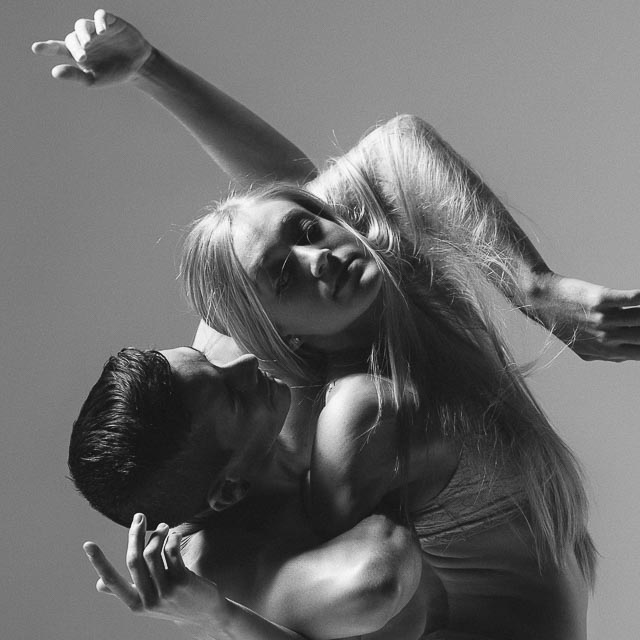
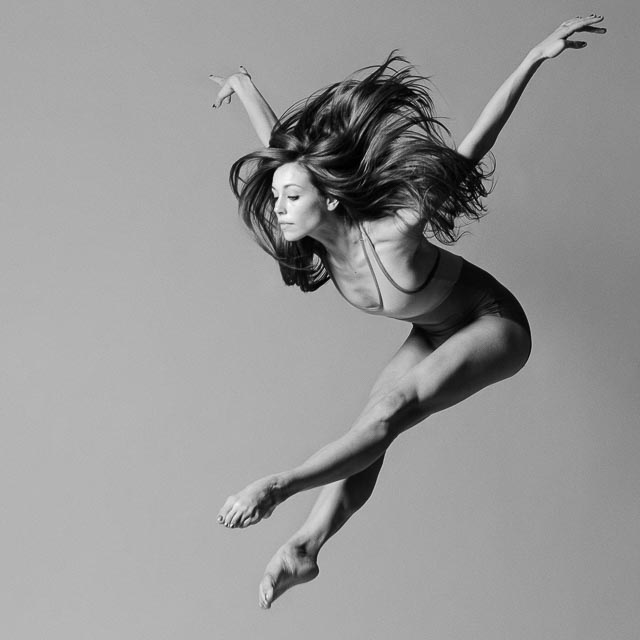
C: Well, most of what you see in my photos is me with a good portion of it being the dancers’ work as well. One of the problems with dance photography is that it makes abstract one of the critical cornerstones of dance: time. A dancer improvising in the studio may be fun to watch and beautiful to behold but to freeze any moment without context of what comes before or after that particular moment makes it weak. In that regard, I look for that one moment in their improvisation and modify to fit the four walls of a still photograph. Sometimes the dancers come up with their own material as well but I always have a hand in it somehow, transforming it ever so slightly to create dynamics that make it leap out of the frame.
E: Oh. I get it. Leap… nice pun.
C: I try.
E: Do you have images in your head of ideal positions for your photos before starting a shoot?
C: Almost never. Maybe just a nascent idea but nothing fully formed, I don’t come in with drawings on napkins if that’s what you mean. When I walk into the studio I try not to let any ideas I may have cloud what the dancer in front of me can or cannot do, it’s important to me that the dancer be my guide during the process. Part of the special experience working one-on-one with a dancer is learning what’s going to work best on their body as no two dancers are exactly alike. It’s the same working with a choreographer, they will often have a phrase that will look just brilliant upon one dancer and just ‘meh’ on other dancers.
E: Your work has very little of what I’d call cookie-cutter poses, how is that-
C: Don’t call them poses. This drives me nuts.
E: What should I call it then?
C: What it is: dance. If there isn’t movement within the image somehow I’m usually not happy.
E: So how are you able to create so much movement then?
C: [laughs] Apollo. Terpsichore. I have no idea. It might be the fact that I see so much dance photography with so much reverence for the subject that I get sad and irritable. Or maybe it’s me always trying to always one-up myself. Perhaps it’s me just loving to create images for myself. If it’s something I’ve done before I know I can do better.
E: When you are working with a dancer doing portraits as opposed to action shots is your conversation and interaction with the dancer different?
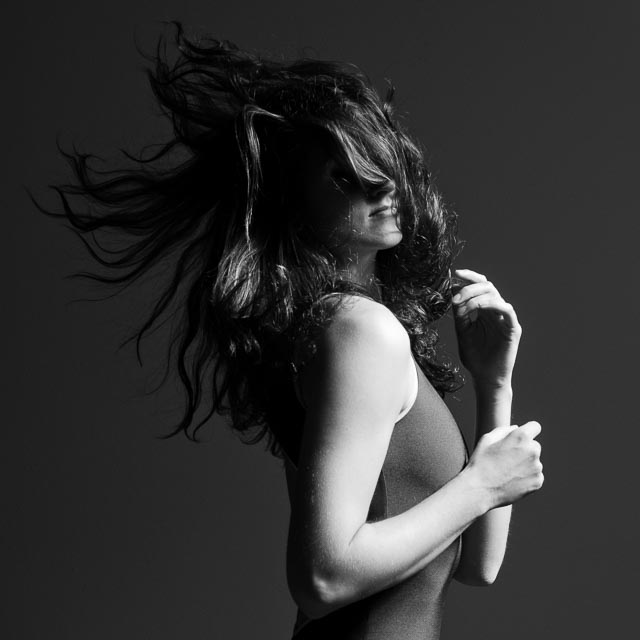
C: Mostly we just talk and chat and take photos on the side. I’ve found that dancers are sometimes more nervous in this setting since they have to, in essence, perform with just their facial expression and not the talents they’ve amassed for years with their feet and legs. More and more, however, I’ve been finding parallels between dancers and models and exploiting it. What can make, for example, a fashion image really pop off the frame is how they’re posed and by bringing the same sensibilities into portraiture I find that I can create very different moods and avenues of expression.